
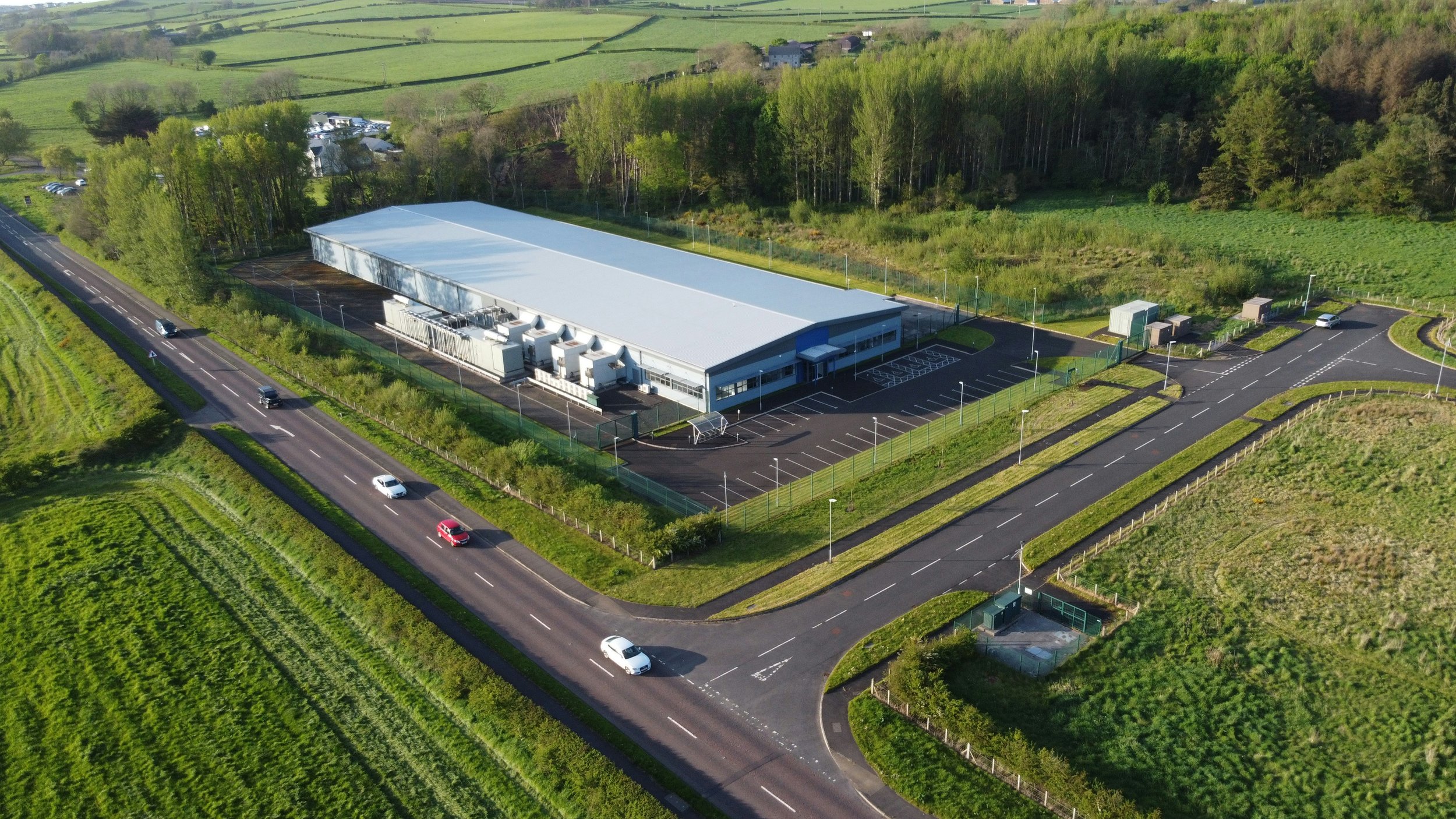
Can Data Centers Be Good Neighbors?
Helping communities make better decisions about data center development.
Data Center Neighbor is an independent initiative using research, evidence and practical tools to help communities understand project transparency, infrastructure risk, community value and long-term accountability, especially early, when consequential choices can still be shaped.
Why This Matters
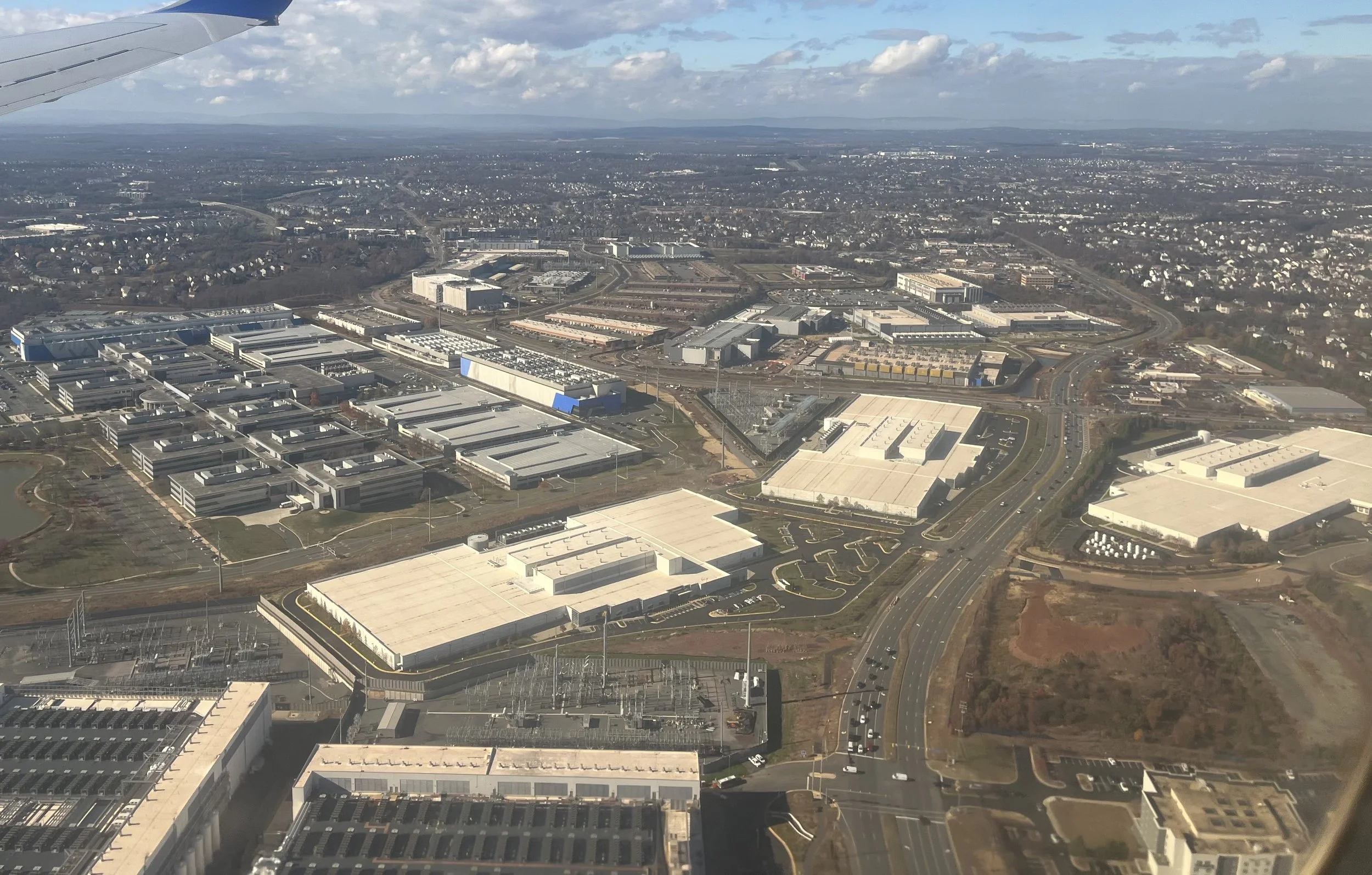
More than 3,000 data centers are operating nationwide and more than 1,500 are in development. Two-thirds of planned facilities are in rural areas, a significant shift from the existing market. Data centers could account for 9.5% to 15.3% of U.S. electricity use by 2030.
Yet the decisions associated with this growth are often made through separate processes. Local governments evaluate land use and economic development. Utilities plan for electricity demand. Regulators consider transmission infrastructure. Other institutions oversee environmental permitting, water, transportation and public investment.
Communities experience the cumulative outcomes of these decisions together.
THE GOOD NEIGHBOR FRAMEWORK
What Makes a Data Center a Good Neighbor?
TRANSPARENCY
Access to timely, meaningful information
Communities should know who owns, controls, operates and uses a project, how credible its load assumptions are and what infrastructure it requires.
COMMUNITY VALUE
Benefits, costs & shared value
Tax revenue, jobs and community investment should be considered alongside infrastructure costs, mitigation, ratepayer risk and how benefits and burdens are distributed.
RISK MITIGATION
Identify, compare and reduce impacts
Foreseeable impacts should be identified early, credible alternatives compared and the actual constraints driving decisions made clear.
COMMUNITY VOICE & ACCOUNTABILITY
Influence while choices remain open
Communities should have meaningful influence while consequential choices can still be shaped, understand who controls each decision and know how commitments will be enforced over time.
Recent Analysis & Field Notes
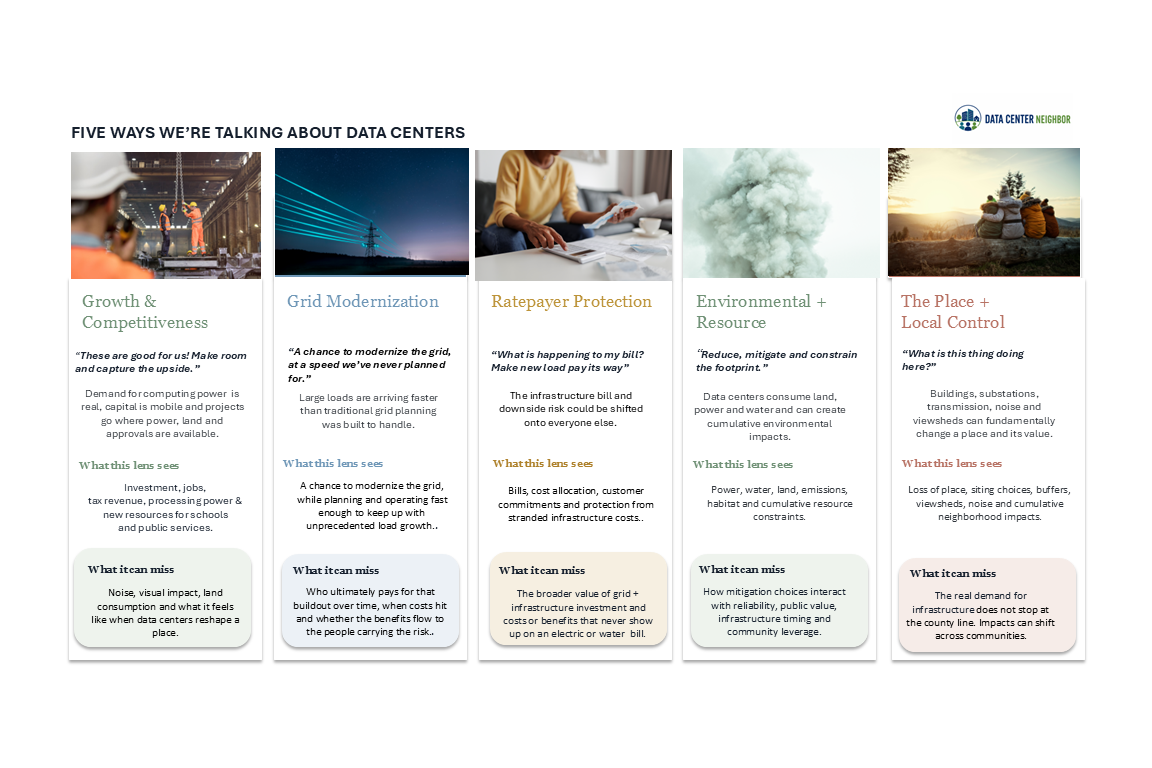
Work We’re Following
-
![A yellow sign that says 'No Data Center' with a crossed-out computer icon, placed in a grassy area beside a street with trees and parked cars.]()
Caltech LCSSP: Fit for What Purpose? Evaluating Data Centers on Local Terms
-
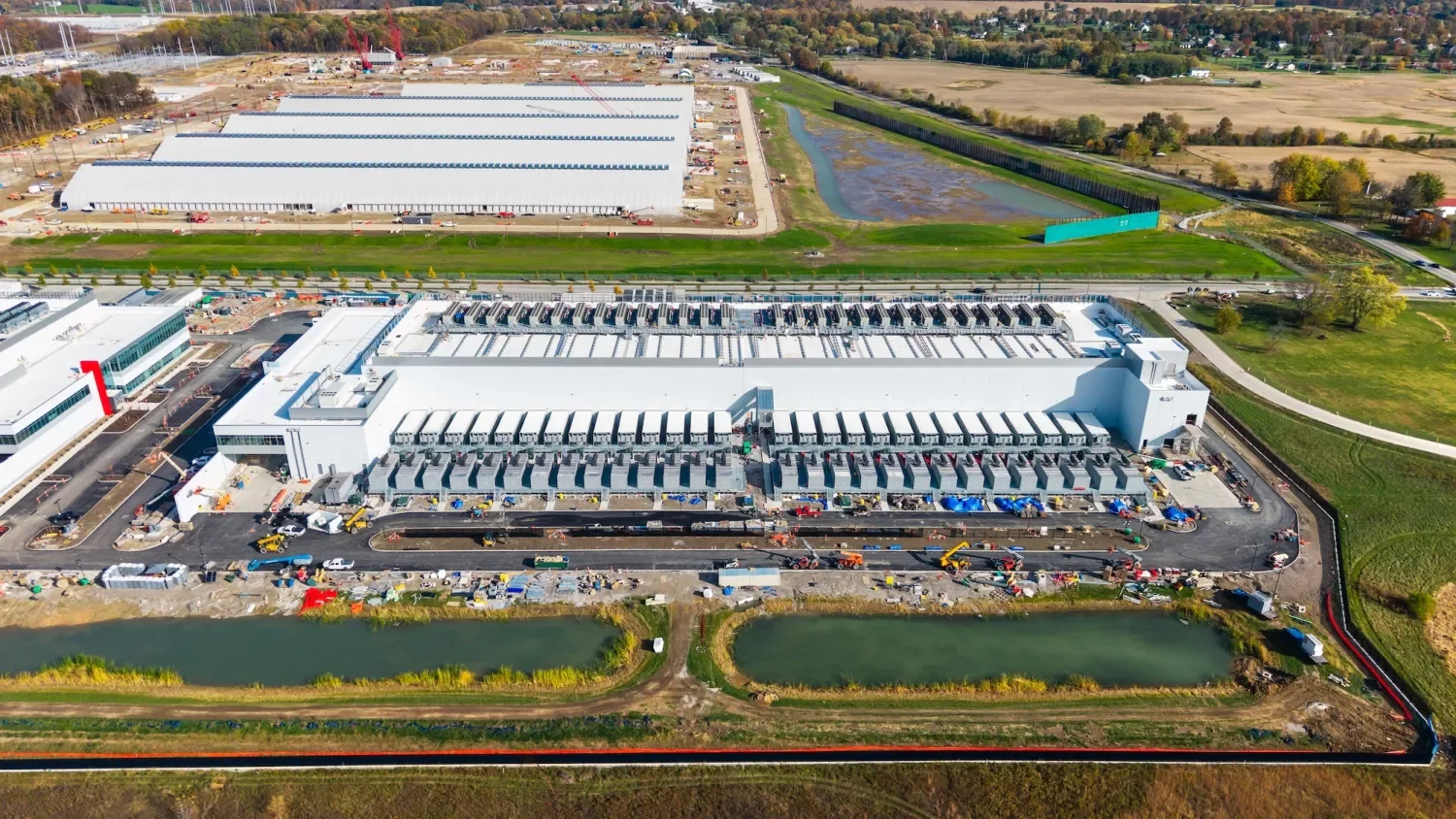
![An aerial view of a large industrial or commercial building under construction, with construction equipment, vehicles, and materials surrounding it. There are two ponds in the foreground and a fenced perimeter around the site.]()
Brookings: The Local Implications of Data Centers for Rural Communities in the U.S.
-
![Sunset over a landscape with power lines and electricity pylons stretching across green fields and distant mountains.]()
RMI: The Path to Power: Connecting Large Loads
-
![A modern data center surrounded by trees with wind turbines and digital binary code overlay]()
ACEEE: Data Center Research
-
![A landscape with lush green grass and trees, power lines on tall wooden poles running through the scene, and a mountain in the background under a partly cloudy sky.]()
VEIC: Flexible Load Growth
-
![Split view of a data center with server racks on the left and a modern industrial building on the right, under a partly cloudy sky.]()
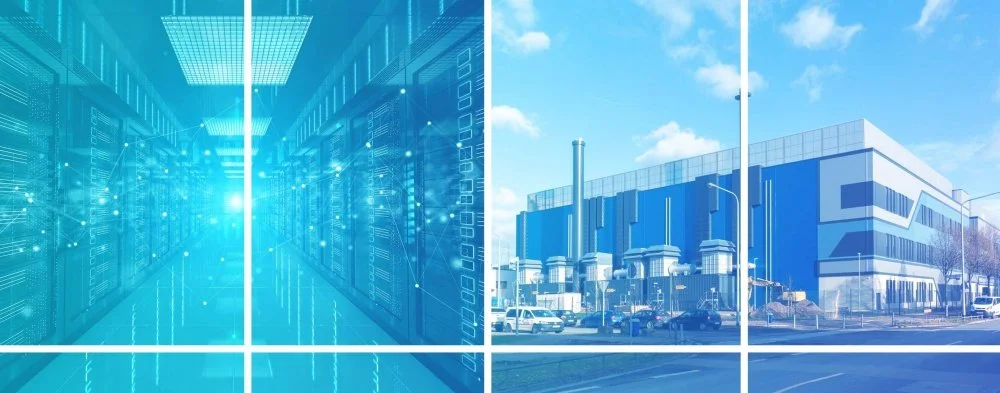
JLARC: Data Centers in Virginia
-
![Multiple power line towers stretch across a grassy field with trees in the background, under a partly cloudy sky.]()
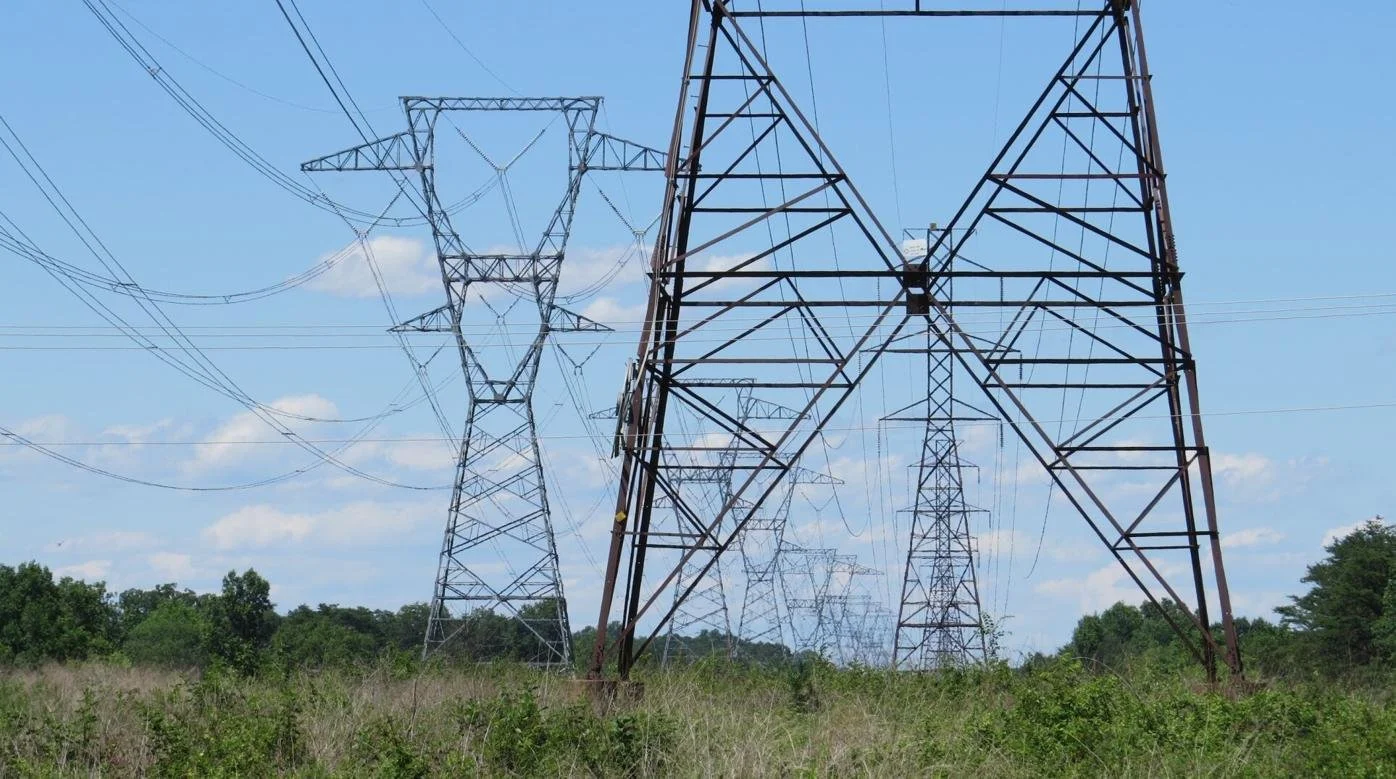
Virginia State Corporation Commission: Data Center Initiatives
ABOUT US
Data Center Neighbor is an independent initiative developing research, evidence and practical tools to help communities make better decisions about data center development.
Based in Loudoun County, Virginia, DCN draws on lessons from one of the world’s most established data center markets while learning from communities confronting development at earlier stages.
The goal is not to prescribe whether communities should accept or reject data center development. It is to establish clearer expectations for how communities can evaluate and shape development when they choose to host it.
Data Center Neighbor is developed and incubated by Bellwether Advisory, LLC.

FROM ONE DATA CENTER NEIGHBOR
Casey J. Bell is a Data Center Neighbor living in Sterling, Virginia, less than three miles from the heart of Data Center Alley in Ashburn. She is also an economic development and impact measurement practitioner with nearly two decades of experience working at the intersection of community development, workforce development, utilities, energy and economic mobility.
Over her career, Casey has led strategy, impact measurement and program development efforts for nonprofit organizations, financial institutions and mission-driven enterprises. Her work has included designing outcome measurement frameworks, evaluating community investments, supporting workforce and small business initiatives and helping organizations translate complex systems into practical decision-making tools.
Contact Us & Join the Conversation
Working Through Data Center Growth? Put the Framework to Work
Whether your community is considering its first major project, experiencing rapid growth or managing an established data center market, we are interested in how these decisions are playing out on the ground.
Have an idea, critique, case example or opportunity to collaborate? Send us a note.